This crochet pattern starts with a simple washcloth, a project that feels so good in your hands with its clean, crisp texture. It’s perfect for anyone just learning to crochet, or for those who need a quick, satisfying project to make. The finished piece has a lovely drape, making it great for small gifts, kitchen linens, or even as a base for more complex designs. We’ll cover everything you need to know about yarn choices and essential tools so you can get started with confidence. You’ll learn why worsted weight yarn is a go-to for many projects and how different fibers affect the final outcome. Let’s gather our supplies and begin creating!
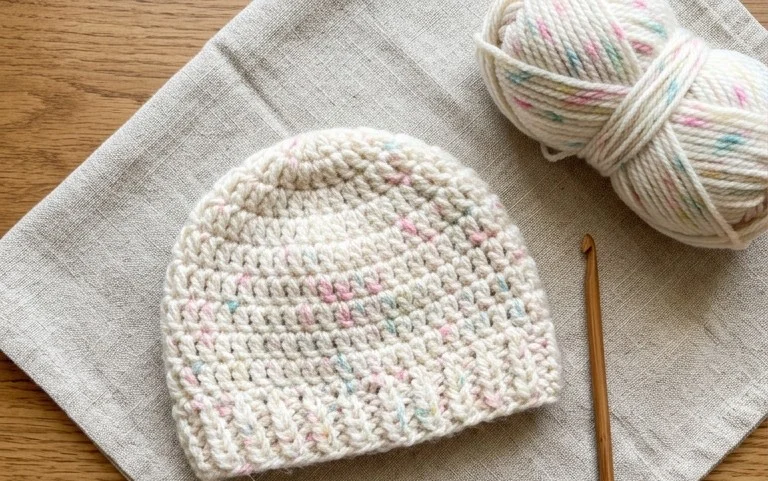
Crafting Your Cozy Creation: Materials and Techniques
This crochet pattern is designed to be approachable for newcomers to the yarn arts, yet satisfying for those with more experience. The resulting piece is wonderfully soft and has a lovely drape, making it perfect for adding a touch of handmade comfort to your home or wardrobe. We’ll be using some straightforward techniques that build upon each other, creating a fabric that’s both sturdy and visually appealing.
Yarn Recommendations: Choosing Your Fiber
The yarn you choose will have a significant impact on the final look and feel of your project. For this pattern, I highly recommend a worsted weight yarn. This is a medium-weight yarn that’s readily available and works up at a good pace. It’s not too thin to be fiddly, and not too thick to feel bulky.
- Fiber Content: Acrylic yarns are fantastic for beginners because they are affordable, durable, and easy to care for. They also come in a dazzling array of colors. For a softer, more luxurious feel, consider a blend of acrylic and wool, or even a pure superwash merino wool. Cotton yarns are another great option, especially for items that need to be breathable and absorbent, like dishcloths or market bags. Just be aware that 100% cotton can be a little stiffer to work with initially.
- Yardage: The exact amount of yarn needed will depend on the size of your project. For a small item like a washcloth, you might only need one skein (around 100-200 yards). For a larger project like a blanket, you could easily go through several skeins. Always check the pattern notes for specific yardage estimations. It’s a good idea to buy a little extra yarn than you think you’ll need, especially if you’re using a hand-dyed yarn, as dye lots can vary.
Hook Selection: Finding Your Perfect Match
The hook size is crucial for achieving the correct gauge and stitch definition. For a worsted weight yarn, a common hook size to start with is an H-8 (5mm) or an I-9 (5.5mm).
- Material: Crochet hooks come in various materials, including aluminum, bamboo, and plastic. Aluminum hooks are smooth and glide easily through yarn, making them a popular choice. Bamboo hooks offer a bit more grip, which can be helpful if your yarn tends to slip off the hook. Plastic hooks are often used for larger projects with bulky yarns. Experiment with a few different types to see what feels most comfortable in your hand.
- Ergonomics: If you plan on doing a lot of crocheting, consider investing in an ergonomic hook. These hooks have larger, padded handles that can help reduce hand fatigue and cramping, especially during long crafting sessions.
Key Stitch Techniques Explained
This pattern primarily uses a few fundamental crochet stitches. Mastering these will open up a world of possibilities for your crafting journey.
- Chain (ch): This is the foundation of most crochet projects. It creates a series of loops that you work your first row into. To make a chain, you’ll yarn over (wrap the yarn around your hook) and then pull that yarn through the loop already on your hook. Repeat this process to create your desired number of chains.
- Single Crochet (sc): This is one of the most basic stitches. You insert your hook into a stitch or chain, yarn over, pull up a loop (you’ll have two loops on your hook), yarn over again, and pull through both loops. It creates a dense and sturdy fabric.
- Half Double Crochet (hdc): This stitch is a bit taller than a single crochet. You’ll yarn over before inserting your hook into the stitch, then yarn over and pull up a loop (three loops on your hook). Yarn over again and pull through all three loops. It creates a fabric with a bit more drape than single crochet.
- Double Crochet (dc): This is a taller stitch that works up quickly and creates a looser fabric with more drape. You’ll yarn over, insert your hook into the stitch, yarn over and pull up a loop (three loops on your hook). Yarn over, pull through two loops (two loops on your hook). Yarn over again, and pull through the remaining two loops.
Tips for Beginners: Getting Started with Confidence
Don’t be intimidated if you’re new to crochet! Everyone starts somewhere.
- Practice Your Swatches: Before diving into the main project, make a small sample swatch using your chosen yarn and hook. This will help you get a feel for the stitches and ensure your tension is consistent. It’s also a great way to practice your chaining and turning at the end of rows.
- Count Your Stitches: It’s easy to accidentally add or miss a stitch, especially in the beginning. Make it a habit to count your stitches at the end of each row. Stitch markers can be very helpful for marking the beginning and end of rows, or important stitches.
- Don’t Pull Too Tight: It’s tempting to pull your stitches very tight for a neat appearance, but this can make it difficult to insert your hook into the stitches in the next row. Try to maintain a relaxed tension.
- Undo Mistakes Gracefully: Dropping a stitch or making a wrong move happens to everyone. Carefully pull your yarn back until you find the mistake, and then gently work your way forward again. There are also tools called “stitch doctor” or “crochet hook” that can help fix dropped stitches.
Customizing Your Creation: Colors, Sizes, and More
One of the joys of crochet is the ability to personalize your projects.
- Color Play: You can stick to a single color for a classic look, or get creative with color changes. Introduce a new color at the beginning of a row for a clean transition, or use a few different shades throughout the project for a striped effect. You can also create beautiful colorwork patterns by carrying multiple colors.
- Adjusting Size: For most rectangular or square projects, you can easily adjust the size by adding or subtracting stitches to your starting chain and working more or fewer rows. For more complex shapes, you might need to adjust stitch counts or add increases and decreases. Always refer to the pattern for specific instructions on size adjustments if they are provided.
- Adding Embellishments: Once your piece is finished, you can add buttons, beads, embroidery, or even fringe to give it a unique flair.
Caring for Your Handmade Treasure: Keeping it Lovely
Proper care will ensure your crocheted item stays beautiful for years to come.
- Washing: Most acrylic and superwash wool yarns can be machine washed on a gentle cycle with cool water. For hand-dyed yarns or natural fibers like cotton or wool (unless superwash), hand washing is usually best. Fill a basin with cool water and a small amount of mild detergent. Gently agitate the water and let the item soak for about 20-30 minutes.
- Drying: Never put a crocheted item in a machine dryer, as the heat can cause it to felt or lose its shape. Instead, gently squeeze out excess water (don’t wring it out). Lay the item flat on a clean towel, reshaping it as needed. You can roll the item up in the towel to absorb more moisture. Then, unroll it and let it air dry completely away from direct heat or sunlight.
- Blocking: Blocking is a process that helps to even out stitches, open up lace patterns, and give your finished piece its final shape. It’s especially important for garments and delicate items. You can block by wetting your project and pinning it into the desired shape on a blocking mat or a firm surface, or by using steam.
Beyond the Basics: Project Ideas
This pattern, with its adaptable stitches, can be used for a wide variety of projects.
- Dishcloths and Washcloths: These are fantastic for practicing new stitches and working with different yarns. They are quick to make and incredibly useful.
- Scarves and Cowls: A simple rectangle worked back and forth or in the round can easily become a cozy scarf or a stylish cowl.
- Blankets and Throws: Combine multiple motifs or work a large piece to create a stunning blanket for your sofa or bed.
- Tote Bags and Market Bags: With a few added handles and perhaps a lining, your crochet can become a functional and fashionable bag.
- Appliqués and Home Decor: Small squares or motifs can be joined together to create larger pieces, or used as decorative elements for pillows, placemats, or even wall hangings.
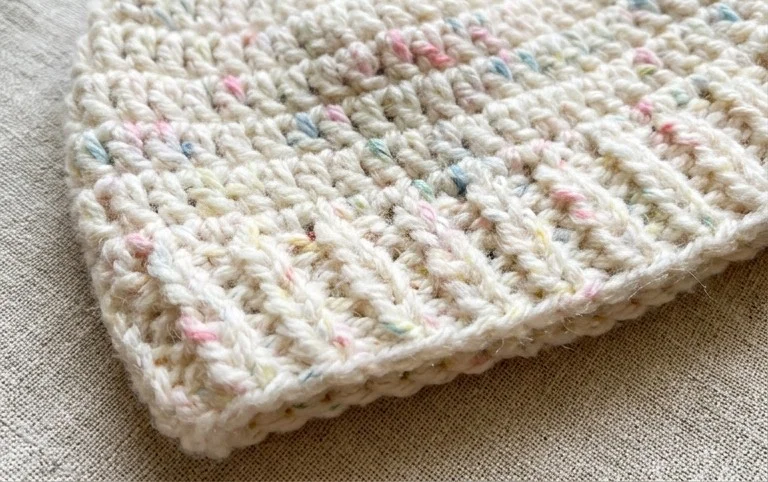
Now that you have a good understanding of the materials needed for this pattern, you’re ready to start crocheting. Don’t be afraid to experiment with different colors of worsted weight yarn to make the project your own. If you enjoyed making this, share a picture of your finished piece on social media – makers love to see what you’ve created! For more crafting inspiration, be sure to check out our other patterns. Happy crocheting!